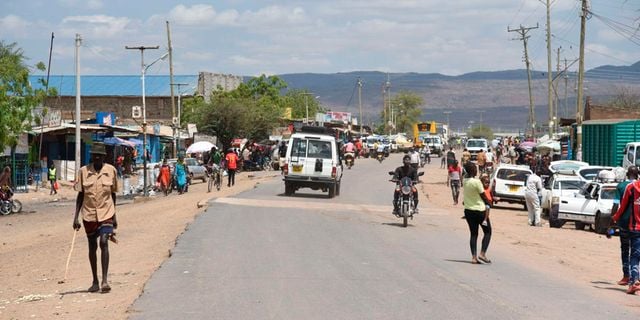
Imagine a life already fraught with challenges, where access to basic necessities is a daily struggle. Now, picture a microscopic enemy, invisible yet deadly, sweeping through communities, threatening lives and overwhelming already strained resources. This isn't a scene from a dystopian novel; it's the stark reality unfolding in Kakuma and Kalokol towns within Turkana County, Kenya, where a concerning cholera outbreak has taken hold, raising alarm bells across the region and beyond.
The news emanating from this arid and often marginalized corner of Kenya paints a grim picture. A surge in cholera cases has been reported, casting a dark shadow over the already vulnerable populations residing in these towns, including the large Kakuma refugee camp. This isn't just a localized health issue; it's a stark reminder of the interconnectedness of water, sanitation, and public health, and the devastating consequences that can arise when these critical elements are compromised.
Think of cholera as a relentless intruder, exploiting weaknesses in a community's defenses. It's a waterborne disease, a silent traveler in contaminated sources, capable of unleashing a torrent of debilitating symptoms that can quickly turn fatal, especially for the young and the already weakened. So, what has allowed this microscopic menace to gain such a foothold in Kakuma and Kalokol? What are the immediate and long-term implications of this outbreak? And most importantly, what urgent actions are needed to stem the tide and prevent further suffering? Join us as we delve deep into the unfolding cholera crisis in Turkana County, seeking to understand its roots and explore the crucial steps required to protect these vulnerable communities.
The Anatomy of an Outbreak: Understanding Cholera and Its Transmission
Before we delve deeper into the specifics of the Kakuma and Kalokol situation, it's crucial to understand the nature of cholera itself. This isn't some mysterious ailment; it's a well-understood, albeit highly dangerous, infectious disease caused by the bacterium Vibrio cholerae.
Imagine this bacterium as a tiny, tenacious organism that thrives in contaminated water and food. Once ingested, it sets up shop in the small intestine, where it releases a potent toxin. This toxin disrupts the normal flow of sodium and chloride, leading to a massive outpouring of water and electrolytes – the hallmark symptoms of cholera: profuse, watery diarrhea and vomiting.
The speed at which cholera can take hold is alarming. Symptoms can appear within hours to a few days of infection. The rapid loss of fluids and electrolytes can quickly lead to severe dehydration, shock, and even death if left untreated. Think of a plant deprived of water on a scorching day; the human body, similarly, wilts and shuts down without adequate hydration.
The primary mode of transmission is the fecal-oral route. This means that the bacteria from the feces of an infected person can contaminate water sources (wells, rivers, even stored water) or food, and if that contaminated water or food is then consumed by others, the cycle of infection continues. Poor sanitation practices, lack of access to clean water, and inadequate hygiene are the perfect breeding grounds for cholera outbreaks. It's a vicious cycle that can rapidly spread through communities with compromised infrastructure.
The Turkana Context: Vulnerability in the Arid Lands
Turkana County, a vast and arid region in northwestern Kenya, already faces significant developmental challenges. Access to clean water is often scarce, and sanitation infrastructure can be limited, particularly in densely populated areas and refugee camps like Kakuma. These pre-existing vulnerabilities create a fertile ground for waterborne diseases like cholera to take root and spread rapidly.
Think of the dry, cracked earth of Turkana during a prolonged drought. Water sources become precious and often overused, increasing the risk of contamination. In such an environment, maintaining proper hygiene practices, like frequent handwashing with soap and clean water, becomes incredibly difficult.
The presence of the Kakuma refugee camp, hosting hundreds of thousands of individuals displaced by conflict and instability in neighboring countries, adds another layer of complexity. Refugee camps, while providing essential shelter, can often face challenges in providing adequate sanitation and water infrastructure for such large populations, further increasing the risk of disease outbreaks. It's like trying to accommodate a large influx of guests in a house with limited facilities – the system can quickly become overwhelmed.
Kalokol town, located on the shores of Lake Turkana, might seem to have a more readily available water source. However, even here, factors like poor sanitation around the lake, potential contamination of groundwater, and inadequate water treatment facilities can contribute to the spread of waterborne illnesses.
The alarm bells ringing over the cholera outbreak in Kakuma and Kalokol highlight the fragility of public health in regions facing such environmental and socio-economic challenges. It's a stark reminder that access to clean water and sanitation isn't just a matter of convenience; it's a fundamental prerequisite for preventing disease and protecting lives.
The Ripple Effect: Impact on Communities and Resources
A cholera outbreak of this nature has far-reaching consequences, extending beyond the immediate suffering of those infected. It places a significant strain on already limited healthcare resources, disrupts daily life, and can have long-term economic and social impacts on the affected communities.
Imagine the local health facilities in Kakuma and Kalokol. They are likely already operating at or near capacity, serving the health needs of the resident population and the large refugee community. A sudden surge in cholera cases can quickly overwhelm these facilities, depleting medical supplies, stretching healthcare workers to their limits, and potentially reducing the capacity to treat other illnesses. It's like a small hospital suddenly facing a mass casualty event – the system can be pushed to its breaking point.
Beyond the healthcare system, the outbreak can create widespread fear and panic within the communities. People may become hesitant to use communal water sources or participate in social gatherings, further disrupting daily life and economic activities. Markets might see reduced trade, and children may be kept out of school, leading to wider social and economic consequences.
Furthermore, containing a cholera outbreak requires a significant mobilization of resources. This includes medical supplies, personnel for treatment and contact tracing, and resources for improving water and sanitation infrastructure. For already resource-constrained regions like Turkana County, this can divert funds and attention from other critical development needs.
The alarm over the cholera outbreak is not just about the immediate health crisis; it's about the potential for a cascading effect that can destabilize already vulnerable communities and hinder long-term progress. It's a stark reminder that public health is intricately linked to the overall well-being and development of a region.
Urgent Measures: Containing the Cholera Tide
In the face of this alarming cholera outbreak, swift and decisive action is paramount. Public health officials and aid organizations are likely implementing a multi-pronged approach to contain the spread of the disease and treat those affected.
Imagine a fire erupting in a dry landscape; immediate action is needed to extinguish the flames before they engulf the entire area. Similarly, a rapid and coordinated response is crucial to bring a cholera outbreak under control. This typically involves:
- Prompt Diagnosis and Treatment: Establishing accessible treatment centers where individuals exhibiting symptoms can be quickly diagnosed and provided with oral rehydration salts (ORS) and, in severe cases, intravenous fluids. Timely and appropriate treatment is crucial to reducing mortality rates.
- Water Quality Management: Investigating potential sources of water contamination and implementing measures to disinfect water supplies. This might involve chlorination of water sources and promoting the use of safe water storage practices at the household level.
- Sanitation and Hygiene Promotion: Intensifying efforts to improve sanitation practices, such as promoting the use of latrines and safe disposal of human waste. Public awareness campaigns on the importance of handwashing with soap and clean water, especially after using the toilet and before preparing food, are also critical.
- Community Engagement: Working closely with community leaders and members to disseminate information about cholera prevention and control, address rumors and misinformation, and encourage early reporting of symptoms.
- Vaccination Campaigns: In some cases, oral cholera vaccines (OCV) may be deployed as a supplementary measure to provide protection to at-risk populations, although the immediate priority is often containment through treatment and hygiene measures.
- Logistical Support: Ensuring a steady supply of essential medical supplies, including ORS, intravenous fluids, antibiotics, and testing kits, as well as providing logistical support for the movement of personnel and resources.
The alarm raised over this outbreak underscores the urgent need for a coordinated and well-resourced response. It requires collaboration between local health authorities, national government agencies, international aid organizations, and the affected communities themselves.
Long-Term Solutions: Building Resilience Against Future Outbreaks
While the immediate focus is on containing the current cholera outbreak, it's equally crucial to address the underlying factors that contribute to the vulnerability of Kakuma and Kalokol to waterborne diseases. This requires a long-term commitment to improving water and sanitation infrastructure and promoting sustainable hygiene practices.
Think of building a strong fortress to protect a city from future invasions. Similarly, strengthening the public health infrastructure and community resilience is essential to prevent future cholera outbreaks. This includes:
- Investing in Sustainable Water Infrastructure: Developing reliable and safe water sources, implementing effective water treatment and distribution systems, and ensuring equitable access to clean water for all residents, including those in refugee camps.
- Improving Sanitation Facilities: Constructing and maintaining adequate and hygienic sanitation facilities, promoting the proper disposal of human waste, and addressing open defecation.
- Promoting Hygiene Education: Implementing long-term hygiene education programs that emphasize the importance of handwashing, food safety, and safe water handling practices. These programs should be culturally sensitive and tailored to the specific needs of the communities.
- Strengthening Healthcare Systems: Investing in local healthcare facilities, training healthcare workers to effectively manage cholera cases, and ensuring adequate supplies of essential medicines and equipment.
- Addressing Socio-economic Vulnerabilities: Recognizing that poverty and lack of access to resources can exacerbate health risks, and implementing broader development initiatives that improve livelihoods and reduce vulnerability.
- Climate Change Adaptation: Recognizing the potential impact of climate change on water availability and sanitation, and incorporating climate-resilient strategies into long-term planning.
The alarm over the current cholera outbreak should serve as a catalyst for sustained investment and action to build the long-term resilience of Turkana County against waterborne diseases. It's a reminder that ensuring access to clean water and sanitation is not just a humanitarian imperative but also a crucial investment in the future health and prosperity of these communities.
A Call for Urgent Action and Lasting Change
The cholera outbreak gripping Kakuma and Kalokol towns is more than just a public health emergency; it's a stark indicator of the vulnerabilities faced by communities with limited access to essential resources. The alarm raised by this crisis demands immediate and decisive action to contain the spread of the disease, treat those affected, and prevent further loss of life.
However, the response cannot stop at simply addressing the immediate symptoms. It must extend to tackling the root causes of this vulnerability: the lack of adequate and safe water, insufficient sanitation infrastructure, and the need for sustained hygiene promotion. Long-term investment in these critical areas is not just a matter of preventing future outbreaks; it's about building the resilience and ensuring the fundamental human rights of the people living in Turkana County, including the large refugee population in Kakuma.
The world must not turn a blind eye to this unfolding crisis. It requires a concerted effort from local authorities, the national government, international aid organizations, and the global community to provide immediate relief and to commit to long-term solutions. The alarm has been sounded; it's time for action that brings lasting change and hope to the people of Kakuma and Kalokol.